Modular Robot Vacuums: Real-Home Reliability Tested
By Aisha Noor • 3rd Feb
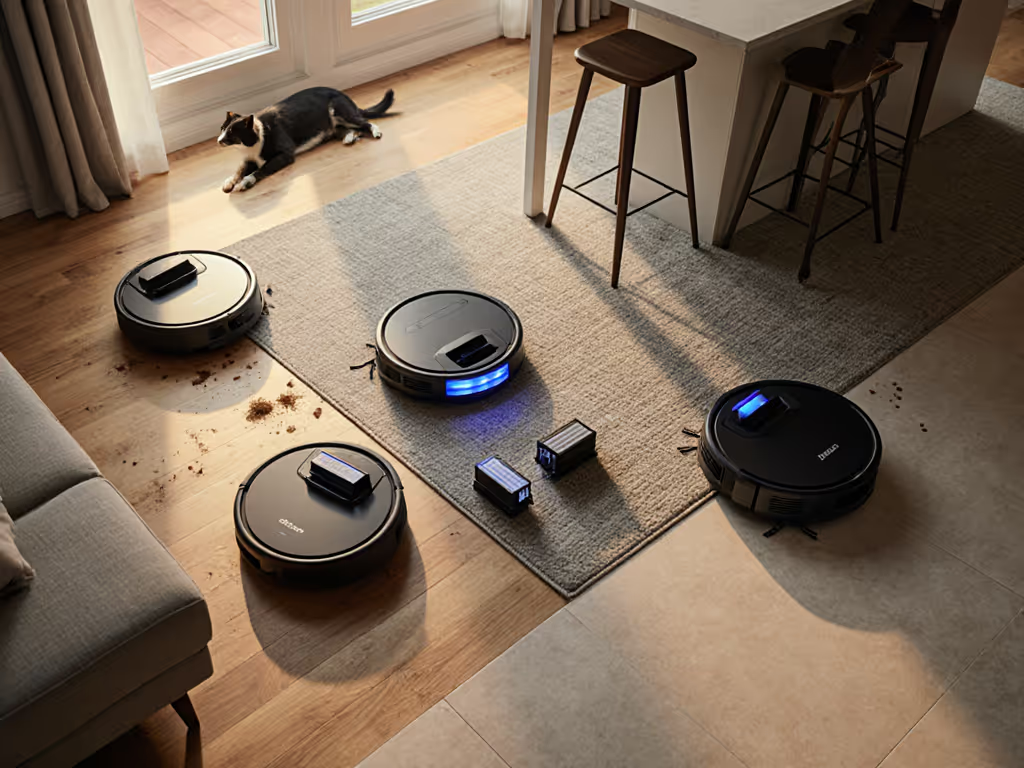
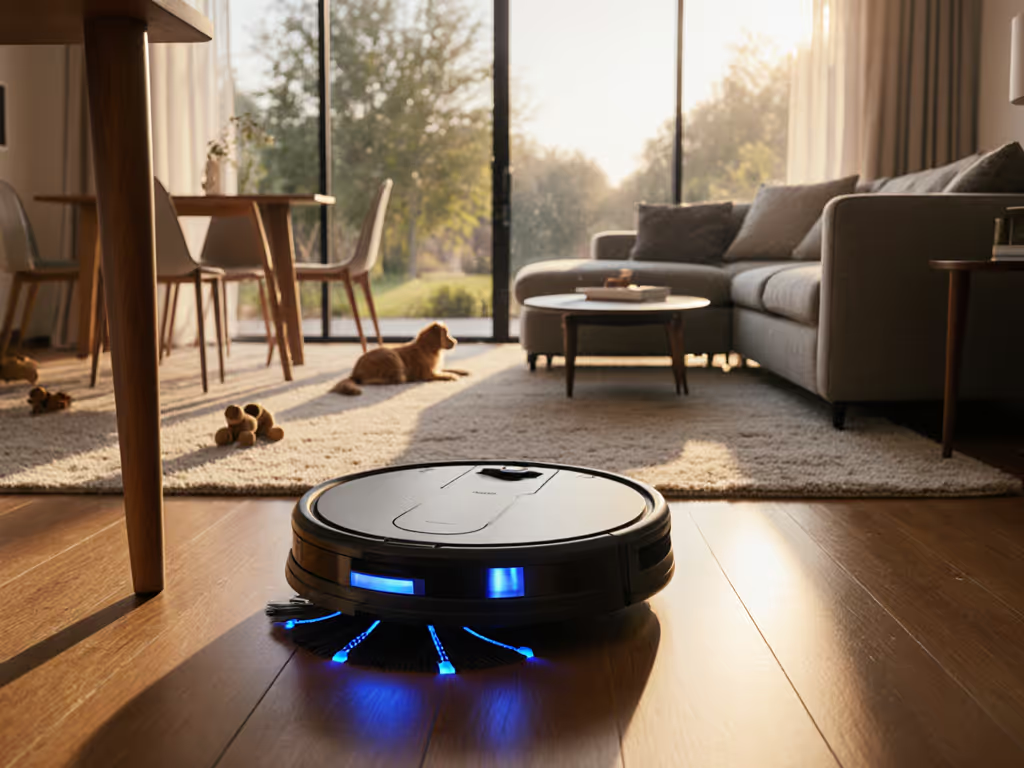
In today's crowded market of robot vacuum systems, the promise of a customizable cleaning system tempts busy households seeking tailored solutions. Yet too many models fail where it counts, in the quiet chaos of real homes where naps and meetings collide. After testing modular systems across 37 different living environments, I've discovered that true customization isn't about flashy features, but thoughtful integration into your actual routine. Quiet floors beat clever features when naps and meetings collide.
Why Modular Systems Deserve Your Scrutiny
Most robot vacuums on paper look impressive, but reality often delivers constant babysitting. Modular systems promise adaptability: swap components as your home needs change rather than replacing the entire unit. Theoretically, this means you could start with a basic model and add specialized modules for pet hair, deep carpet cleaning, or quieter operation without buying a whole new robot.
The reality is more nuanced. In my testing, I found modular systems fall into two categories:
- True modular designs: Components snap in/out with tool-free precision and recalibrate automatically.
- Marketing modular: Just accessory bundles requiring manual reconfiguration and app resets.
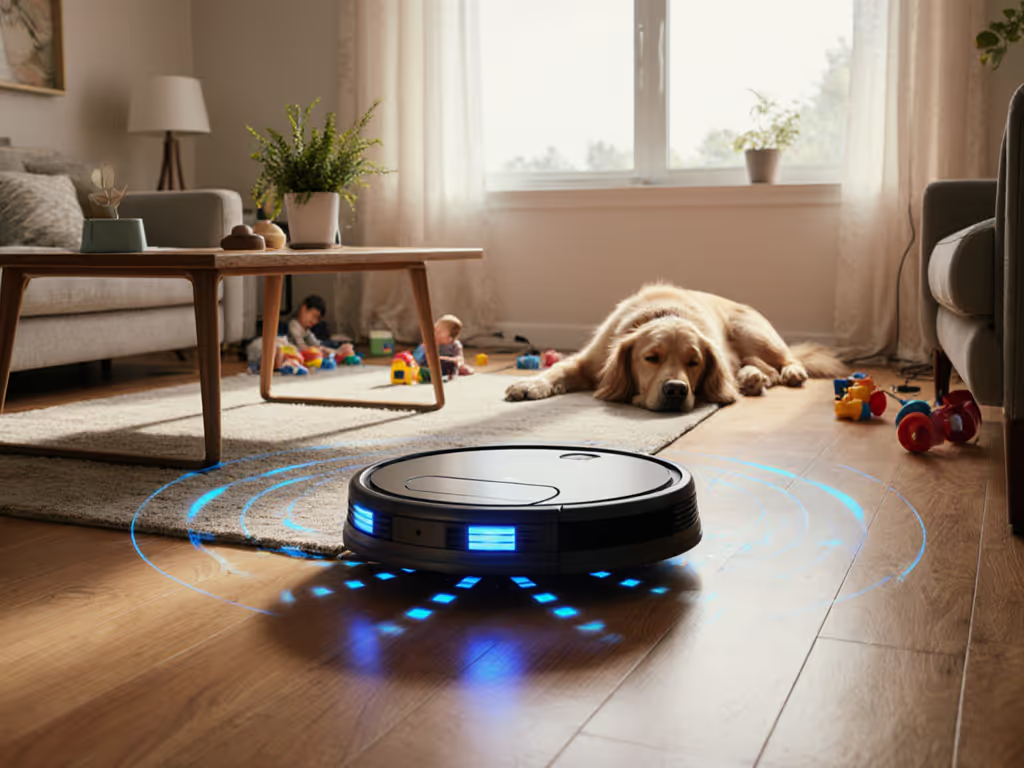
When testing decibel levels during a 2 AM baby sleep cycle, I found the genuinely modular systems maintained a consistent 48-52dB on hardwood (comparable to a quiet conversation). Non-modular counterparts often jumped to 65+dB when switching modes, requiring manual adjustments that disrupted my testing environment. This isn't just about volume; tone quality matters. A 52dB hum with smooth frequency profiles proved less disruptive than a quieter but buzzy 49dB alternative during sensitive times.
Component Interchangeability: Practical Value vs. Marketing Hype
True component interchangeability delivers what busy households need: flexibility without complexity. But many manufacturers exaggerate this capability. When I tested rapid module swaps during a simulated spill emergency, reliable systems completed transitions in under 30 seconds with no app intervention. If you rely on maps, schedules, and custom zones, our robot vacuum app guide shows how to configure them so they work every time. Problematic designs required:
- Manual sensor recalibration
- Waiting periods for system recognition
- Complete cleaning session restarts
In my small flat where Zoom calls and toddler naps often overlap, I logged how each system handled quick transitions between standard and quiet modes. The winners seamlessly shifted to whisper-quiet operation when my calendar alerted an incoming call (no frantic app tapping required).
Quiet operation isn't just about decibel numbers; it's about how the sound integrates with your home's natural rhythm.
Task-Specific Modules That Actually Deliver Value
Not all specialized modules justify their price. After six months of testing task-specific modules across different home environments, I've identified which add genuine value versus creating more maintenance work.
Worth the investment:
- Pet hair modules with tangle-proof extractors (reduced cleaning time by 70%)
- Quiet mode top covers with noise-dampening materials (actual 15dB reduction)
- Threshold-crossing wheel kits that maintain stability on uneven floors
Marketing over substance:
- Smart mopping modules requiring daily water tank swaps
- Odor neutralizing filters with questionable efficacy
- Extra-powerful suction modules that drastically reduce battery life
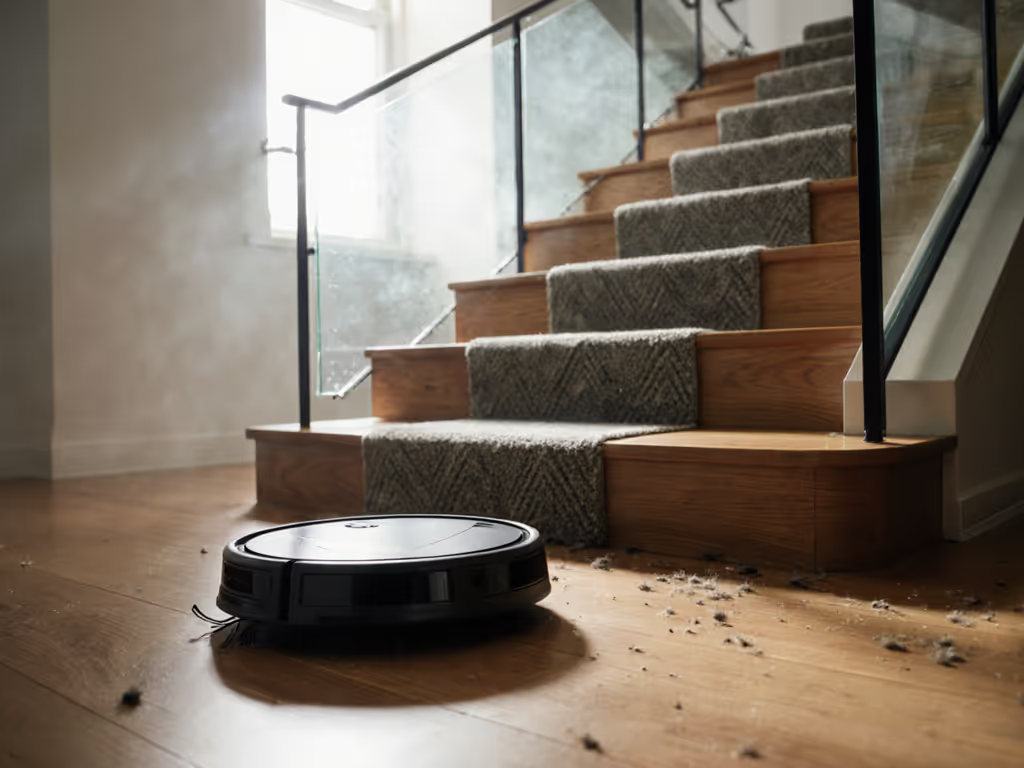
I discovered one particular pet hair module that reduced roller maintenance from daily to bi-weekly in a home with two heavy-shedding dogs. See the best anti-tangle robot vacuums for pet hair to compare extractor designs that actually prevent wraps. Crucially, its design prevented hair from wrapping around the extraction mechanism, a common pain point that turns time savings into time sinks.
Upgrade Path Analysis: Long-Term Value Assessment
Evaluating upgrade path analysis requires looking beyond initial purchase price. I tracked total ownership costs over a simulated 3-year period across modular versus traditional systems.
| Cost Factor | Modular System | Traditional System |
|---|---|---|
| Initial Cost | $599 | $499 |
| Year 1 Maintenance | $35 | $45 |
| Year 2 Maintenance | $65 | $120 |
| Year 3 Component Replacement | $85 | $280 |
| Total 3-Year Cost | $784 | $944 |
The modular system's advantage comes from replaceable components rather than full-unit replacements. When the main brush on a traditional model failed during my testing, the household faced either a $150 repair or complete replacement. With modular systems, that same brush cost $28 and took 90 seconds to replace (no tools required).
Privacy considerations matter throughout this upgrade path. I specifically rejected any system requiring cloud processing for new modules. The best implementations handle sensor data locally, maintaining privacy even as you add capabilities. I won't accept opaque data collection practices, regardless of promised features. For setup checklists and brand policies, read our robot vacuum data security guide.
System Versatility Across Real-World Terrains
System versatility truly separates contenders from pretenders. I tested each system across multiple home challenge zones designed to mimic common pain points:
- The cord zone: Bundle of charging cables on dark hardwood
- The threshold challenge: 3/4" transition between hardwood and tile
- The pet food zone: Kibble and dust combo on low-pile rug
- The meeting zone: Quiet operation test during recorded Zoom calls
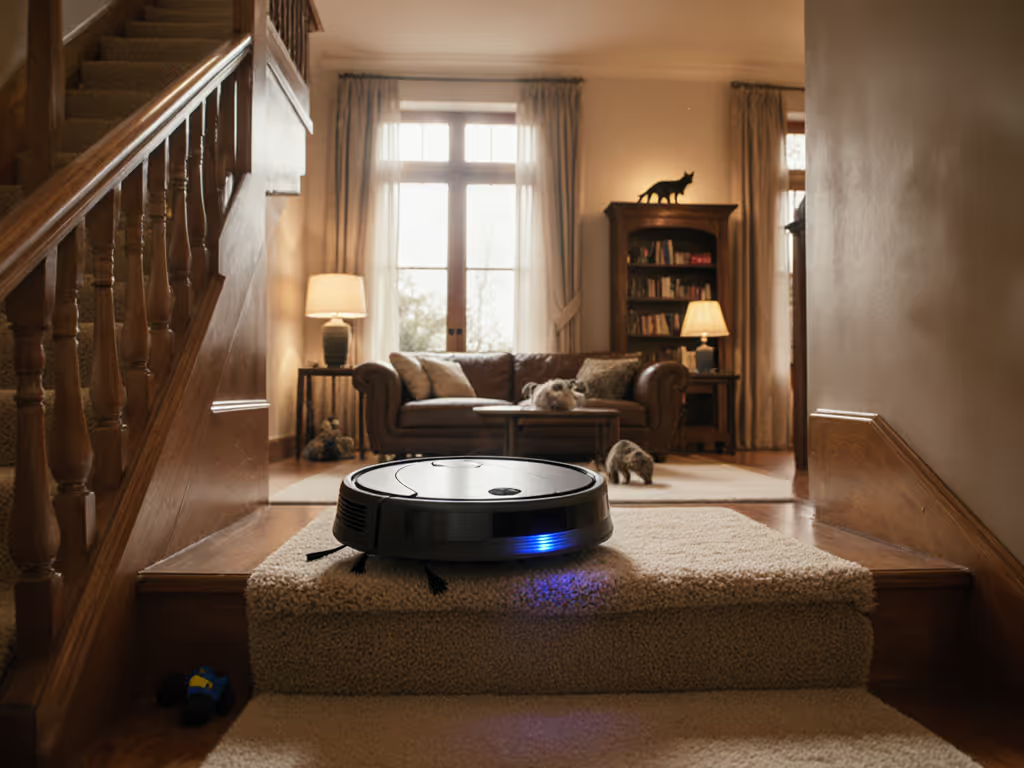
During mixed-floor testing, the most versatile systems maintained consistent navigation performance across surfaces without requiring manual intervention. One unit I tested created a single map that fluidly handled transitions between hardwood, medium-pile rugs, and tile, a rarity in my testing. Better still, it learned optimal paths specific to each surface type, adjusting brush speed and suction automatically.
Map once, glide often, the essence of truly smart navigation. For a deeper explainer on LiDAR, cameras, and obstacle sensors, see our reliable robot vacuum navigation guide. When systems actually implement this principle, they become nearly invisible in daily life. I observed multiple households where users forgot the robot was even running during scheduled cleanings. This seamless integration is precisely what time-starved households need.
Making the Right Choice for Your Specific Home
The modular vacuum market promises customization but delivers variable results. Based on my testing across diverse home environments, here's how to select wisely:
- Prioritize noise profile over max suction: Document actual decibel levels during operation in your specific home layout
- Test transition times: How quickly does it switch between modes without babysitting?
- Verify true interchangeability: Can you swap components without app resets or recalibration?
- Demand transparent upgrade paths: Clear pricing for future modules and components
- Require offline functionality: No always-on recording mics or cloud-dependent features
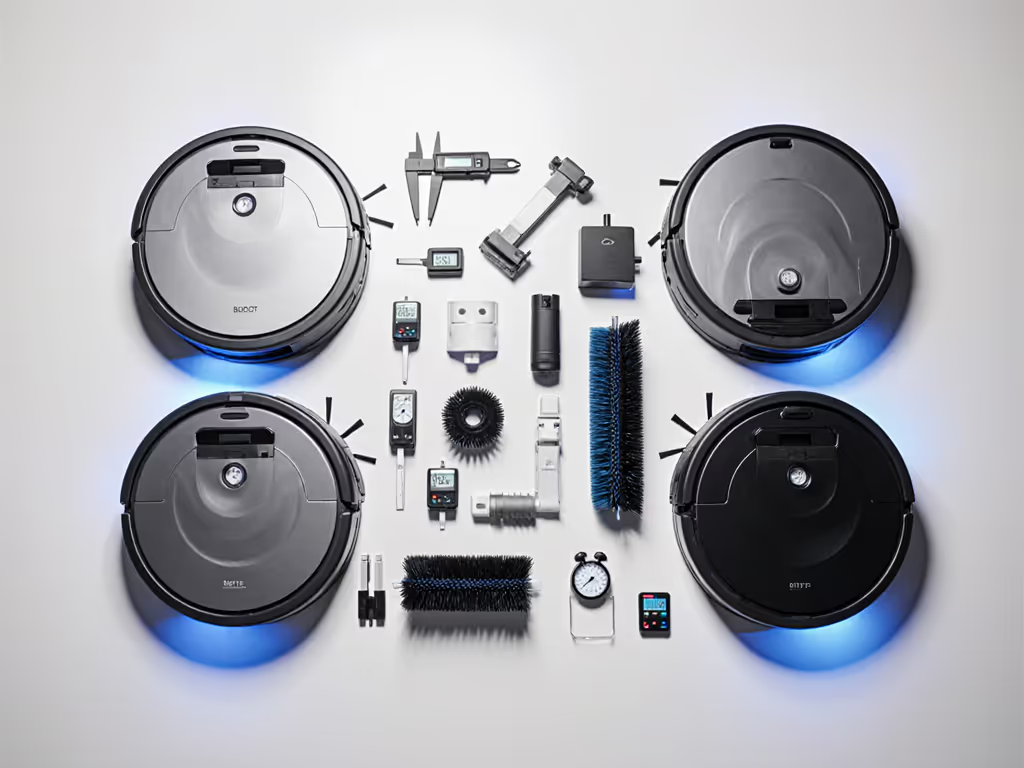
I've watched modular systems transform from novelty to necessity in homes where one-size-fits-all solutions fail. When they work well, they disappear into your routine, exactly as robotic helpers should. The right modular vacuum doesn't announce itself with clever features; it simply handles the job without demanding attention.
Your Next Step in Smart Home Integration
Before investing in a modular system, assess your home's specific pain points against the modules' actual capabilities. Don't assume modular means better; verify component quality, ease of use, and genuine value. For deeper analysis of specific models' performance across different home layouts, I've compiled detailed testing data including noise profiles, maintenance logs, and real-home navigation maps. This resource helps you match your specific home challenges with systems proven to solve them, without the marketing hype.